Every chimney finding on a pre-sale report ends up in one of three places. You fix it before the house goes on the market. You disclose it and let the buyer decide. Or you leave room in the price, or offer a credit, so the buyer can fix it after closing. None of the three is always right. This post compares them for the findings we see most on houses in Carson and the cities around it, with our prices beside the ones that have a set figure.
The three options side by side
| Option | What it costs you | What the buyer sees |
|---|---|---|
| Fix before listing | The repair, paid now | A finished job with photos |
| Disclose and leave it | Nothing now, maybe price later | A known item in the packet |
| Credit in escrow | An agreed amount at close | Money toward their own repair |
Fixing takes the most effort up front. It also gives you the cleanest listing: the buyer's inspector finds a chimney with a recent report and repair photos, and the conversation is short.
Disclosing costs nothing today. It suits findings that are small, or that a buyer would want to choose for themselves. It suits badly anything that sounds dangerous on paper, because a buyer who reads "flue liner cracked" with no price beside it tends to assume the worst figure.
A credit splits the difference. It keeps the work off your plate, but you are agreeing an amount with someone who has every reason to ask high.
Findings that usually make sense to fix
Some fixes are cheap compared with the worry they put in a buyer's head.
- A leak at the roof joint. Tracing and repairing it falls inside $555 to $3,300. A water ring on a ceiling near the chimney is exactly the kind of thing that stalls an offer.
- Water pooling behind a wide chimney. A cricket is $445 to $1,000, or $665 to $1,650 when the flashing is replaced at the same time.
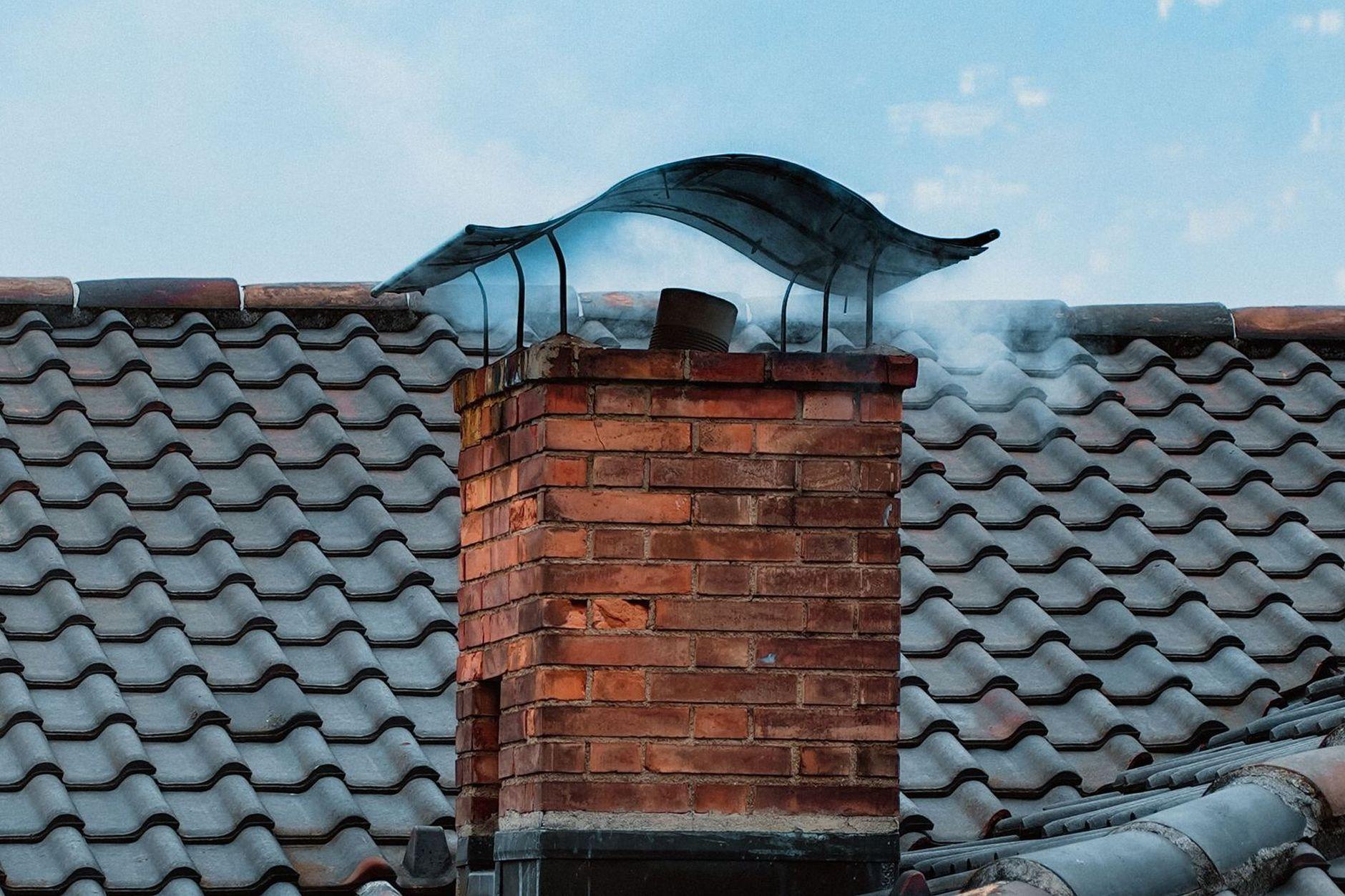
- A missing or rusted cap. It is quoted after we measure. A buyer's report that says "no cap" invites questions about animals, rain and sparks. The fix is quick and it photographs well.
These are the lines where the repair costs less than the discount a nervous buyer will ask for.
Findings that often go into the disclosure
- fine cracks in a crown that still sheds water
- worn hearth brick or a dated surround
- a damper that works but is stiff
- soot that the next owner's first sweep will take care of
None of these stops the fireplace being used. Disclosing them with a photo and a plain note is honest, and for most buyers it is enough.
Findings where a credit can be the better path
Larger masonry work and liner work are quoted in writing; they have no list price. If the written figure is large and the work would be disruptive right before listing, some sellers prefer a credit. That only goes well when the written quote is already in hand. A credit built on a number somebody guessed over the phone tends to grow during escrow.
Seismic findings sit here too. If a Level 2 shows the chimney is not tied to the house the way it should be, bracing or a partial rebuild is a real job. Some sellers do it before listing. Others disclose it with the quote attached and let the buyer decide.
What decides it for your house
Three things settle most of these choices:
- the repair's price compared with what a buyer would knock off for it
- whether the item is about safety, water or looks
- how much room you have before the listing date
If you have a report and are weighing the options, send us the findings and your list date. We will call back with prices for the lines that have them and a time to quote the rest.
A credit also has to be written into the escrow paperwork, and your agent and the escrow officer will want something behind the figure. The written quote does double duty there: it fixes the amount and it gives everyone the same piece of paper to point at when the figure is questioned.
Bring your agent into it
Your agent knows how buyers in Carson, Lakewood and Gardena react to chimney lines in a report. Put the Level 2 in front of them before you decide. Our page for real estate agents shows how the report sits in their file, and the up to code repairs page sorts fixes into what is urgent and what can follow.
The middle ground most sellers land on
Most sellers we work with end up with a mix. They fix the cap and the leak, disclose the cosmetic items, and get a written quote for anything structural, so the buyer sees a real figure instead of a guess. That mix keeps the spend down and keeps the escrow conversation calm.
It also gives the buyer's inspector very little to write. When they open the disclosure packet and find a dated report, repair photos and a quote for the one larger item, there is not much left to add. The repair request that follows, if there is one, tends to be short.
For the inspection that starts all of this, see what a pre-list Level 2 costs. If a leak is on your list, the post on chimney leak repair cost in Carson explains the range.
Ready to sort your list into fix, disclose and credit? Use our contact page and tell us what the report says.
See the Chimney Before Your Buyer Does
A Beaman Chimney Sweep Level 2 puts a camera through each flue and prices every repair separately, so you choose what to fix and what to disclose. We work from Carson across Lakewood, Gardena, South Gate and the rest of Los Angeles County.